

Our Process: How Dumpster Rental Actually Works
Every service page on this site has a quick 4-step summary. This page goes deeper, what actually happens at each stage, and the real technique behind loading a dumpster the right way, something worth knowing before the truck ever shows up.
Before We Ever Show Up
The call matters more than people expect. We’re not just writing down an order, we’re trying to size your project correctly the first time, since guessing wrong costs you a second delivery and a second fee. Expect us to ask what you’re clearing out, roughly how much of it there is, whether it’s mostly light debris or heavy material like concrete or shingles, and how many days you’ll realistically need. None of that is a script, it’s how we avoid handing you a container that’s the wrong size for the job you actually have.
Delivery Day, Explained
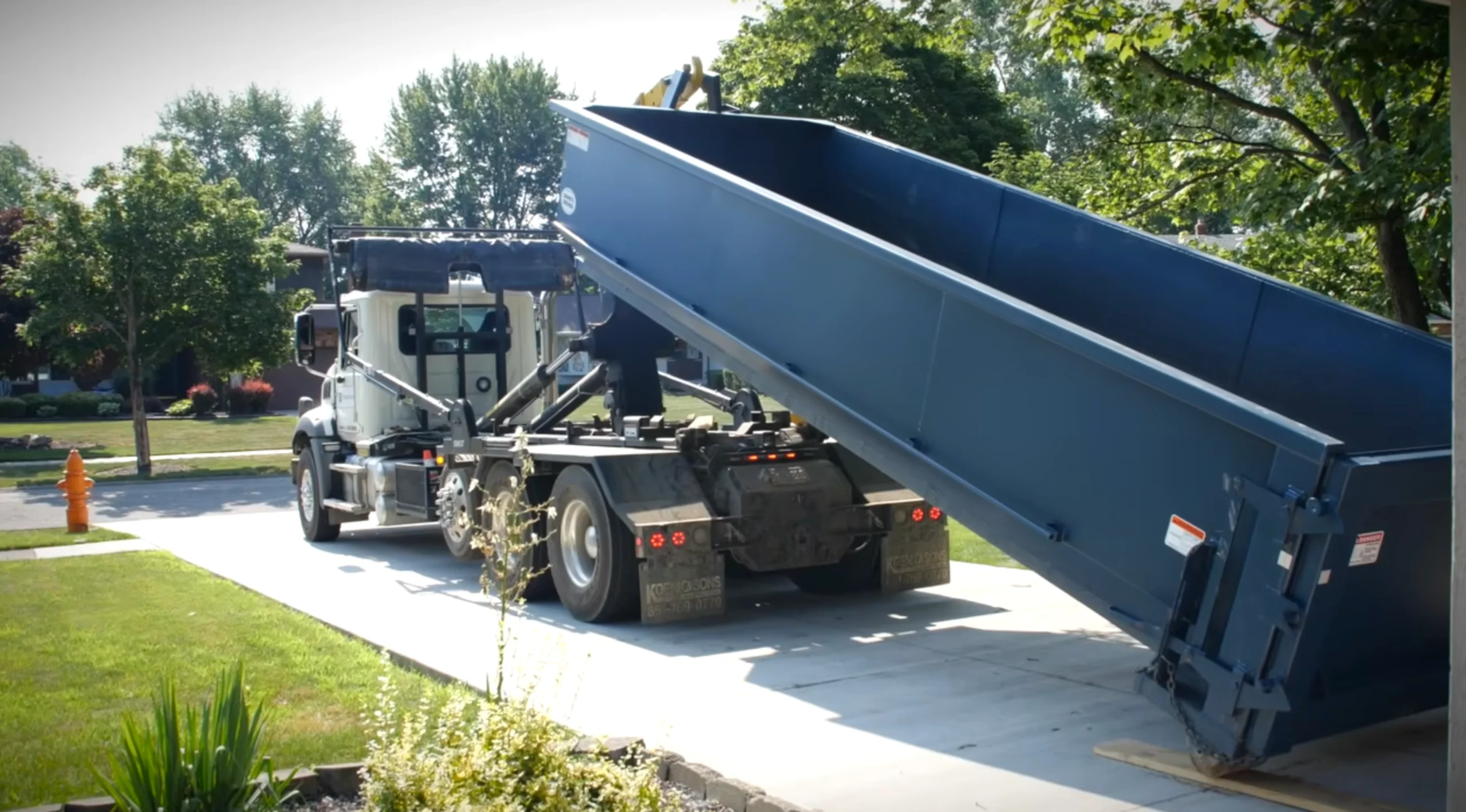
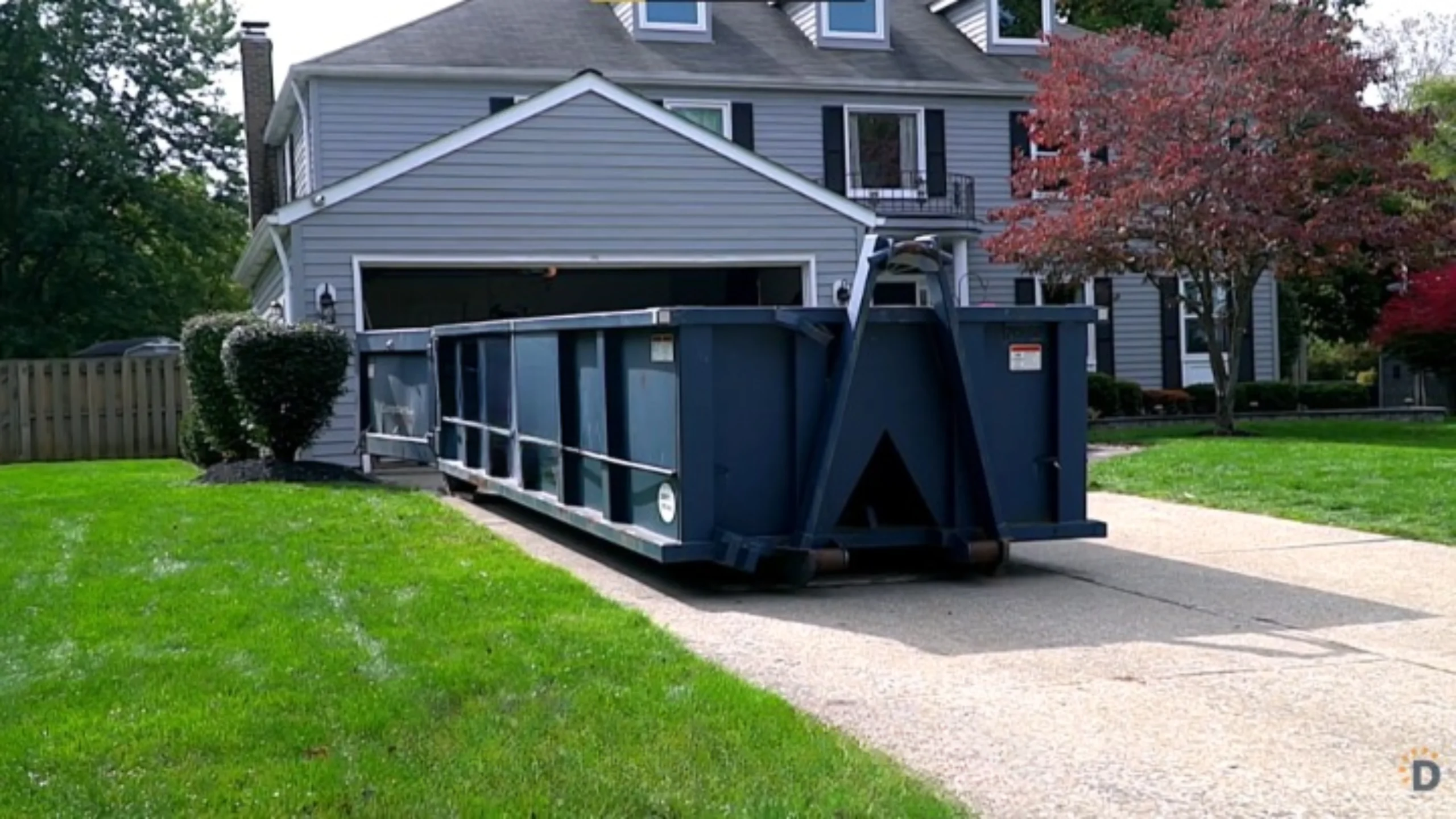
Our truck backs in, tilts the bed, and rolls the container off the back onto the ground, that’s the whole mechanism, no crane, no separate equipment. It’s why the container needs a mostly straight, clear path to get into position, and why low branches or wires over a driveway can actually stop delivery cold if they’re not cleared first. We place it exactly where you’ve told us, driveway, curb, job site corner, then walk you through anything specific to your property before we leave.
Before
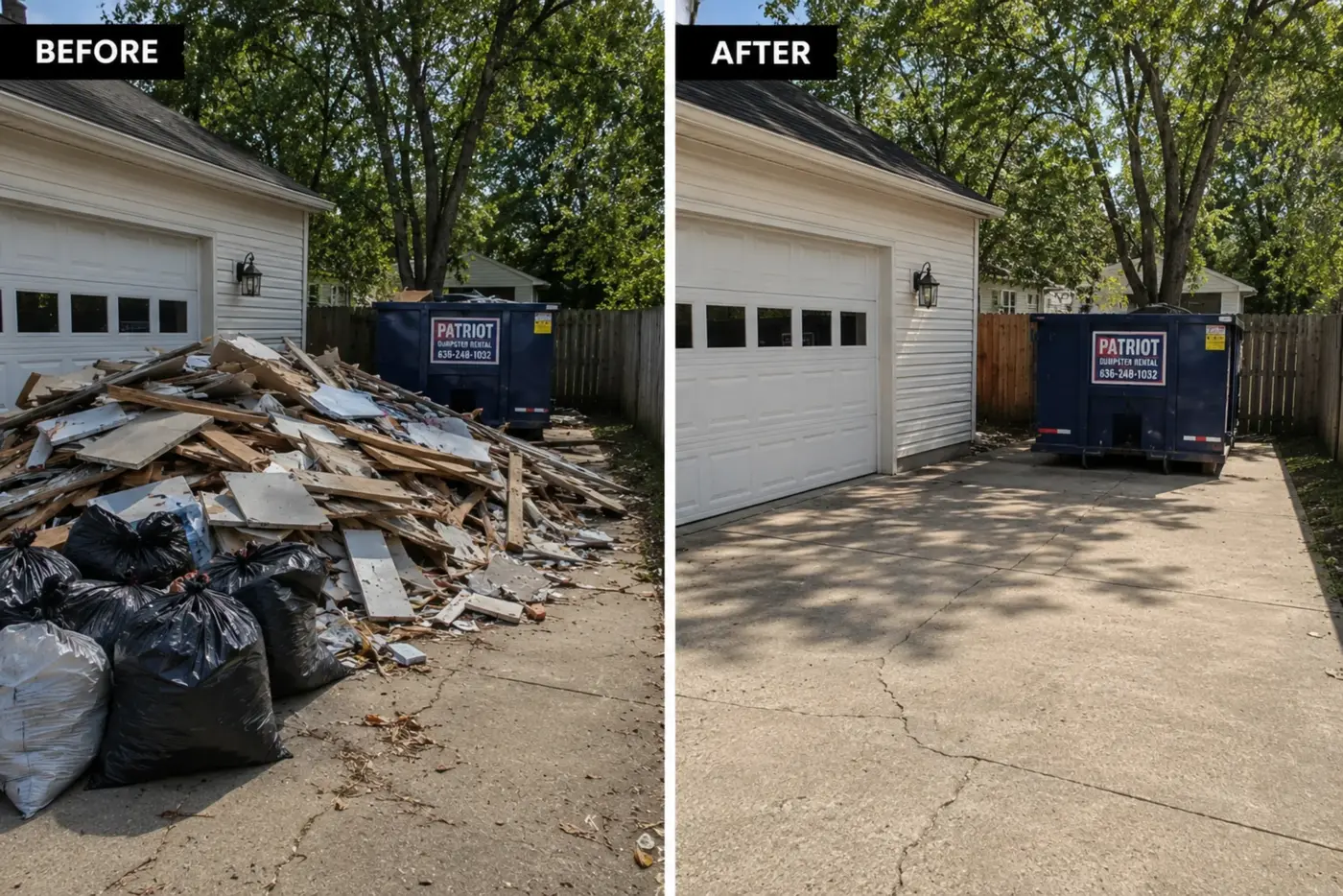
After
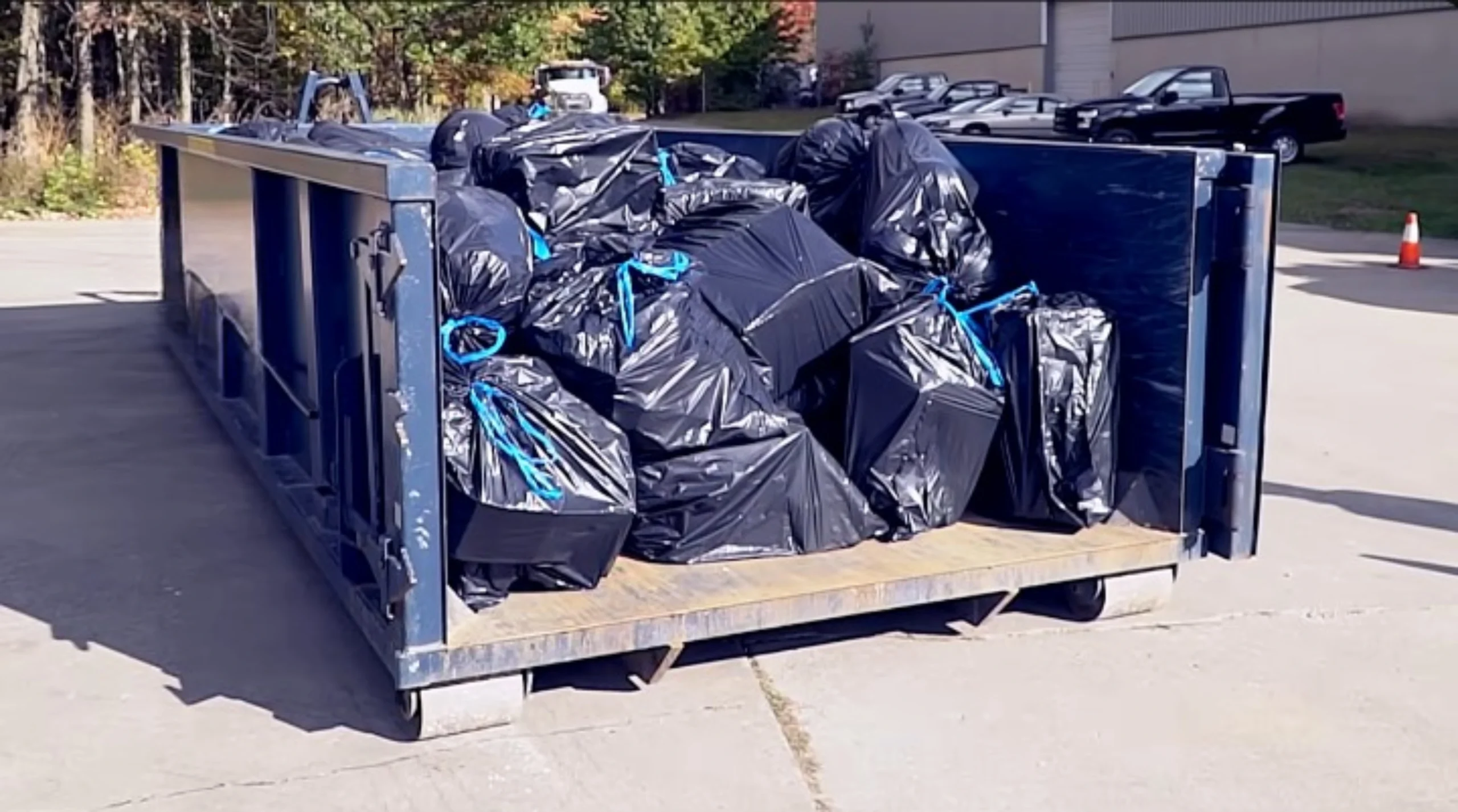
Loading It Right: A Real Guide
This is the part most first-time renters never get told, and it genuinely changes how much fits and how smoothly pickup goes.
Do You Provide Anything to Help With Loading?
We deliver the container and pick it up. Loading is on you unless you’ve booked our Junk Removal service instead, where a crew does the lifting for you. If you’re not sure which setup fits your project, ask when you call.
What If I’m Not Sure How Full Is Too Full?
Text us a photo before pickup day if you’re unsure. It’s a lot easier to fix a sizing or weight issue before the truck arrives than to sort it out with a driver standing in your driveway.
What Happens If Something Changes
Projects rarely go exactly as planned, and that’s normal, not a problem. Delivery day needs to move, call and we’ll adjust it. You’re closer to full than expected, call and we’ll talk about a swap or an early pickup. The job runs longer than your rental period, call and we’ll extend it. None of these require starting over, just a phone call before the situation becomes a bigger issue than it needs to be.
Pickup Day
Call or text when you’re done, and we schedule pickup, usually without an extra trip charge for a standard collection. The truck backs up to the container, winches it back onto the bed, and hauls it away, along with anything it’s carrying. If your load is under the weight limit for your size, that’s the end of it. If it’s over, we’ll let you know the overage cost before anything’s finalized, not as a surprise afterward.
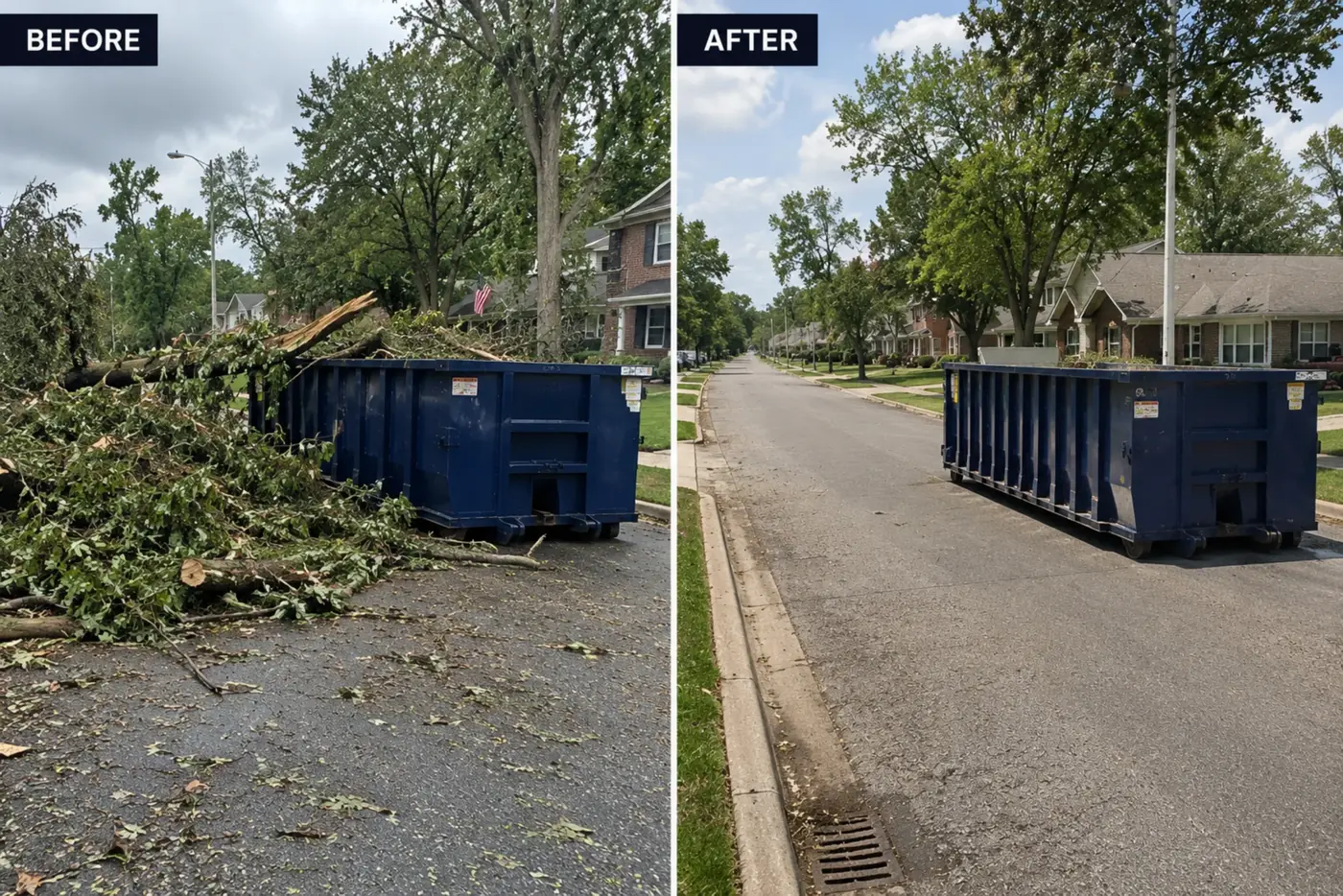
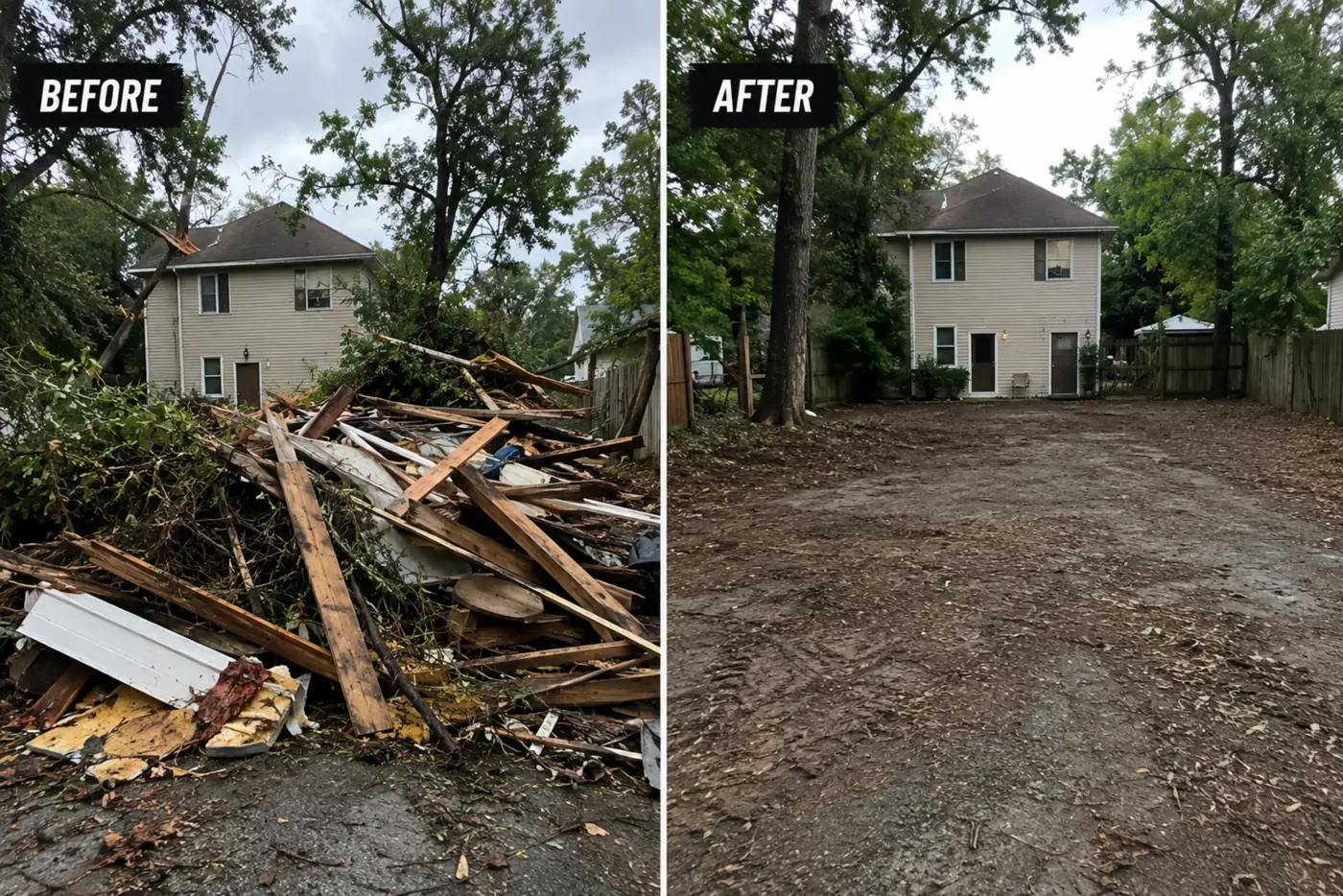
Storm Debris – Before

Storm Debris – After
Process FAQs
Ready to Start the Process?
Call now, tell us about your project, and we’ll walk you through sizing and scheduling the same way described above, no surprises at any step.