
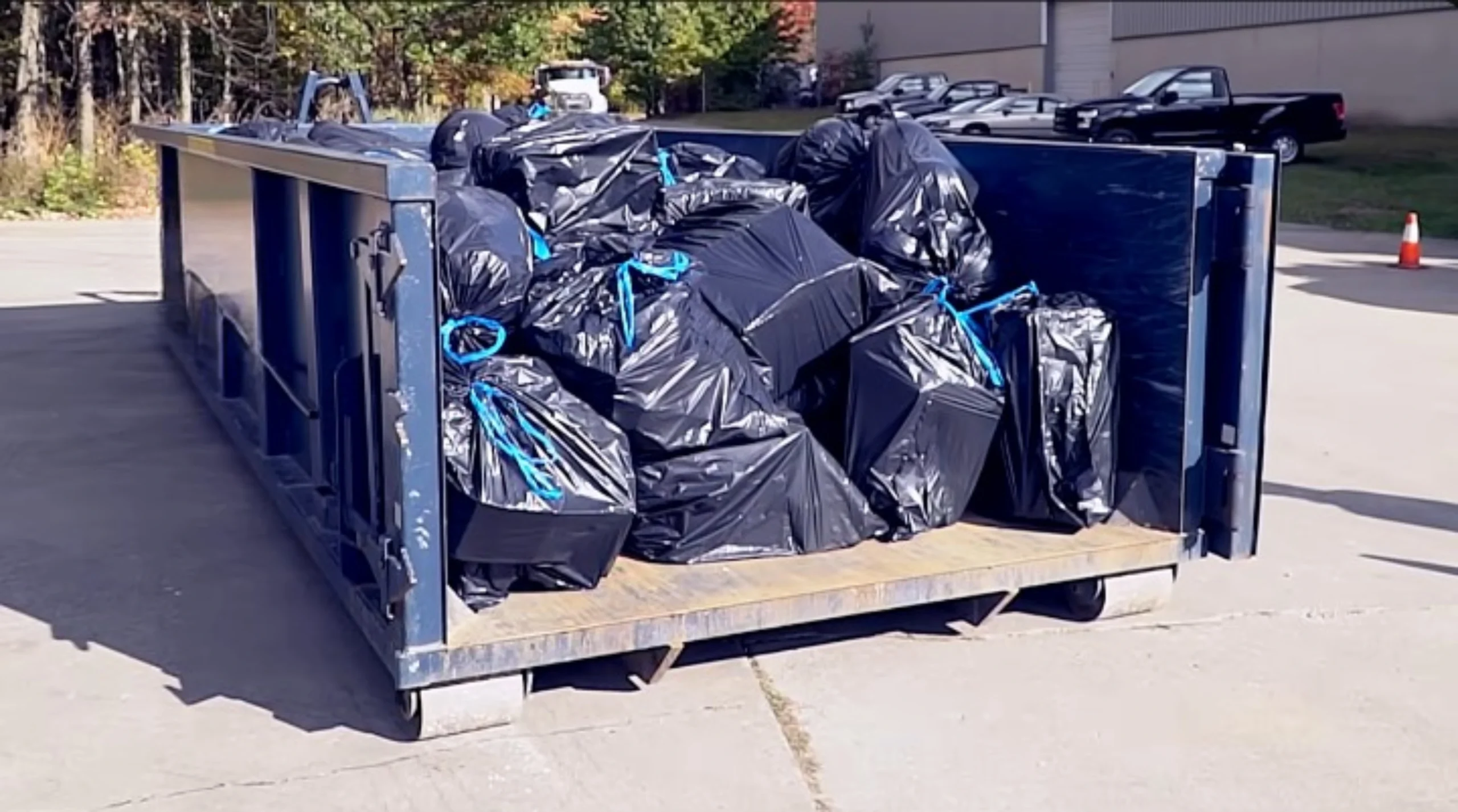
How to Avoid Hidden Fees When Renting a Dumpster
Most people renting a dumpster for the first time think of it as a simple transaction: call, pick a size, pay the quoted price, done. Then the final bill shows up. An extra $150 for going over the weight limit. A daily fee for every day past the rental period. A fuel surcharge that wasn’t mentioned on the phone. The job budget is blown, and the company acts like this is all perfectly normal.
It’s worth understanding before you book, since that’s the only point where you can actually ask the right questions and get real answers.
How Much Are Hidden Dumpster Fees, Really?
Hidden dumpster fees typically fall into four categories. A company that discloses all four upfront, in writing, before delivery is one you can trust. One that won’t is telling you something.
| Fee Type | Typical Range |
|---|---|
| Overage charges (over weight limit) | $75 to $100 per ton |
| Extended rental fees | $10 to $25 per day |
| Prohibited item fees | $50 to $150 per item |
| Fuel / environmental surcharges | $20 to $50 |
Why Hidden Fees Happen in the Dumpster Industry
Every dumpster rental ends at a landfill or transfer station, where haulers are charged by weight. That tipping fee gets passed to you, one way or another. Transparent companies include a set weight allowance in the quoted price and tell you exactly what the overage rate is if you go over. Less transparent companies quote a low headline number and recover that difference later, after the truck has already picked up.
The result is that a “$250 dumpster” and a “$350 dumpster” can end up costing the same, or the cheaper one can cost more, depending on what’s buried in the terms.
The Four Fees That Catch First-Time Renters Off Guard
1. Overage Charges
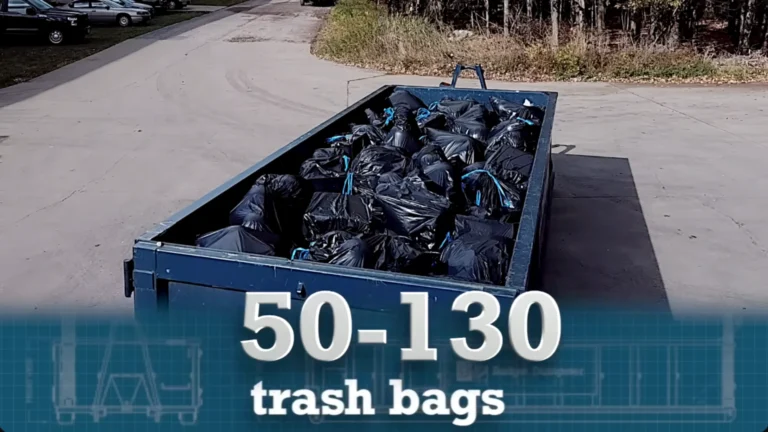
Every dumpster rental comes with a weight limit, typically 1 to 4 tons depending on size. If your debris exceeds that limit when the truck pulls onto the landfill scale, you pay an overage rate on every ton over. That rate is usually $75 to $100 per ton, and it’s applied after the fact, meaning you won’t know you owe it until the job is already done.
The tricky part: certain materials are far heavier than they look. A 20-yard dumpster full of roofing shingles can easily hit 8 to 10 tons, more than double the typical weight allowance. A dumpster that looks only half-full of tile, brick, or concrete can already be over its limit.
A roofing job in Philpot is a good example of exactly where this catches people. A homeowner tearing off a single layer of standard shingles on an average roof might reasonably expect a 20-yard dumpster to handle it, but if the crew finds a second layer underneath once they start, the weight can jump past the included allowance before the container even looks full.
How to avoid it: Tell the company exactly what materials are going in, especially anything heavy like concrete, shingles, soil, or tile. A good company will adjust the weight allowance accordingly, or recommend a smaller container sized specifically for heavy debris. At Owensboro Roll-Off Pros, we ask about material type upfront so the weight math is already right when the container gets sized.
2. Extended Rental Fees
Most rentals include 7 days. Some include 14. After that, daily extension fees apply, and they add up faster than most people expect, typically $10 to $25 per day depending on the company and size.
Projects almost always run longer than planned. A bathroom remodel that was supposed to take a week runs into a plumbing issue. A garage cleanout gets pushed by rain. An estate cleanout takes more emotional time than physical time.
How to avoid it: Be realistic about your timeline rather than optimistic. If you think the job will take 5 days, book 7. If you think it’ll take 7, book for 10. The difference in cost between booking 7 vs. 10 days is usually small. Paying daily overage fees for 4 extra days on top of a 7-day rental usually costs more.
3. Prohibited Item Fees
If a crew discovers something in the dumpster that can’t go to the landfill, you pay a separate disposal fee for that item. Paint, chemicals, motor oil, certain batteries, and appliances with Freon are the most common culprits. These fees can run $50 to $150 per item.
How to avoid it: Before loading, ask for the company’s prohibited items list. At Owensboro Roll-Off Pros, we go over this on the call, so you already know what can and can’t go in once the container’s on-site.
4. Fuel and Environmental Surcharges
Some companies add these as separate line items on the final bill. They’re rarely mentioned during the booking call and can add $20 to $50 to the total.
How to avoid it: When you get a quote, specifically ask: “Is this the total price, including all fees and surcharges, or are there additional charges not included in this number?” A transparent company will confirm the total. One that hedges that question is telling you something.
How to Tell If a Price Is Actually Flat-Rate
The phrase “flat-rate pricing” gets used a lot in dumpster rental marketing, and it doesn’t always mean what it sounds like. A genuinely flat rate means delivery, pickup, disposal, and a set weight allowance are all included in one number, with one clearly stated overage rate if you exceed the weight limit.
A fake flat rate means delivery and pickup are included, but disposal and weight are charged separately, which is essentially the old model with better marketing language.
Questions that reveal which you’re dealing with:
- “What weight limit is included in that price?”
- “What’s the per-ton overage rate if I go over?”
- “Are delivery and pickup included, or are those added on?”
- “Are there any additional fees not included in the quoted price?”
If a company can’t answer the first two questions with a specific number, the price isn’t actually flat.
The Dumpster Pricing Playbook That Works Against You
Here’s the pattern to recognize. A company advertises an unusually low price online, often $199 or less for a 20-yard dumpster. You call, the price sounds great, you book. No written confirmation. Dumpster arrives. You fill it. Truck picks it up. Bill comes for $380.
The math: the low headline price included zero weight allowance. Everything above zero was charged at the landfill rate. The company didn’t hide this exactly, it was technically in the fine print, but nothing about the booking process made it visible.
Always get the quote in writing, or at minimum ask for an email confirmation that lists the weight allowance, the overage rate, and the all-in total. A company that won’t confirm pricing in writing before delivery is one you don’t want handling a disputed bill after the fact.
What If My Debris Gets Rained On?
This one’s specific to renting here rather than somewhere dry year-round. Kentucky summers bring heavy rain, and wet debris weighs more than dry debris, sometimes meaningfully more for absorbent materials like drywall, wood, cardboard, and yard waste sitting open in a dumpster for several days. We can’t give you an exact number since it depends on how much rain and how absorbent the material is, but if your dumpster is going to sit through a few days of summer storms and you’re already close to the weight limit, mention it when you call.
A Note on Local Rules in Daviess County
Hidden fees aren’t the only cost to watch for. Kentucky law prohibits dumping trash on the ground, even on your own property, and under Daviess County ordinance, illegal dumping can carry a fine of up to $500. If you’re ever unsure whether something needs a permit or where it can legally go, the Daviess County Solid Waste office can answer directly at 270-229-4484. If you need to haul something yourself, the county runs the West Daviess County Landfill at 7772 KY Highway 815 and the East Daviess County Transfer Station on Floral Road near Philpot, though hours vary, so call ahead.
What Owensboro Roll-Off Pros Does Differently
We publish pricing ranges on every page of this site before you ever call. When you do call, we confirm the exact price for your job based on size, weight, and rental length. We tell you the overage rate upfront, spelled out clearly. We tell you what can’t go in the dumpster before the truck arrives. And we don’t add surcharges that weren’t in the quoted price.
Quick Checklist Before You Book Any Dumpster
- Get the weight limit included in the price, in writing or confirmed by email
- Get the per-ton overage rate, a specific dollar amount
- Ask if delivery, pickup, and disposal are all included in the quoted number
- Ask for a complete list of prohibited items before loading
- Confirm the daily rate for extended rentals beyond your rental period
- Ask if there are fuel or environmental surcharges added to the final bill
- Get a written confirmation before the truck arrives
Related Reading
Not sure what size dumpster your project actually needs? Check our size guide before you call. If you’ve got a different question entirely, our full FAQ page covers the rest.
Quick Answers
What’s a normal weight limit for a dumpster?
Typically 1 to 4 tons depending on size, with the exact number varying by company. Always confirm this before booking.
How much is a typical overage fee?
$75 to $100 per ton over the included weight limit.
Is a “$199 dumpster” a good deal?
Not usually. Prices that low typically include no weight allowance, meaning nearly everything you load gets charged as overage.
How do I know if a quote is really flat-rate?
Ask for the weight limit and the per-ton overage rate in specific numbers. If a company can’t answer both, the price isn’t actually flat.
Ready to rent a dumpster in Owensboro with a price you can actually count on? Call Owensboro Roll-Off Pros at +1 (270) 368-3006. We’ll give you the full number upfront, so there’s nothing to untangle once the job’s done.